

How to Organize a Hurricane Preparedness Kit
Hurricanes + Prep Work = Houstonians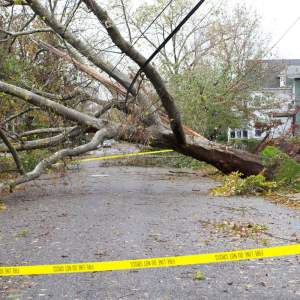
Why should you organize a hurricane preparedness kit? Because Houston is on the Gulf of Mexico and inevitably, we get hit by tropical storms (if not hurricanes) every season. So, before Space City Weather starts reporting about systems in the Gulf, let’s figure out together:
(1) Where did you put your hurricane preparedness kit?
(2) When did you last check the supplies? OR
(3) You recently moved to Houston and didn’t even realize you should create a hurricane preparedness kit.
After moving back to Houston, the months of June–November took on new meaning. Suddenly, I had to plan on the “what if” Houston gets hit by a hurricane, tropical depression, etc., causing me to lose power, be stranded at my home, not have cell service, run out of medications, worry about flooding, or not have enough food or water.
Fun fact time! Did you know that the average hurricane season consists of 21 total storms (12 named storms, 6 hurricanes, and 3 major hurricanes)? The “experts” (whomever they may be) expect this season to align a little higher than the averages with 12 to 15 named storms, 6 to 9 hurricanes, and (luckily?) 2 to 3 major hurricanes.
As a good Houstonian and because we’ve already had a wet spring with flooding and loss of power, take this as your nudge to create or update a hurricane preparedness kit so you’re ready if one of these potential 27 storms hits the Houston area in the next 6 months. Let’s take responsibility for the possibilities and make our future selves grateful.
What is a Hurricane Preparedness Kit?
Essentially, when Mother Nature decides to show us that she’s one tough lady and strands you in your home, possibly without power or cell service, you could quickly deplete the food and water supply. By creating a hurricane preparedness kit, you’ll have a basic emergency supply tote filled with items to help you survive the storm and anything else that comes your way.
What Supplies Go into a Hurricane Preparedness Kit (as recommended by FEMA)?
- Basic tools: bungee cords, duct tape, hammer, rope, wrench or pliers, whistle, zip ties
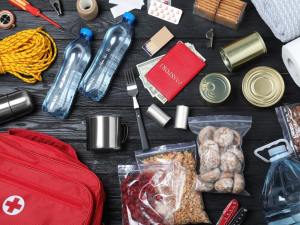
- Cash: cash or travelers checks
- Disinfecting supplies: disinfecting wipes, gloves, hand sanitizer, hand soap
- Electronics: chargers, portable power bank (make sure all are charged when a storm is heading towards Houston)
- Entertainment: cards, puzzles, or books (for when electronics lose charge or you lose service)
- Feminine hygiene supplies
- First aid supplies: antibiotic ointment, bandages, bleach with medicine dropper (8 drops per gallon to disinfect water), matches in waterproof pouch, mosquito repellant, pain relievers, full kit by the American Red Cross
- Flashlights or headlamps with extra batteries
- Heavy duty garbage bags
- NOAA weather radio with tone alert and extra batteries (solar or hand crank powered options are great)
- Non-perishable food: at least 3 days’ worth (canned goods, dry mixes, cereal, nuts, peanut butter, crackers, granola, energy bars). Can also buy an entree bucket of freeze-dried food (60-120 meals).
- Buy fresh groceries once it’s announced the storm is heading towards Houston: bread and fresh fruit (bananas, apples, oranges)
- Pet supplies: crates, food, water, leash, collar, medications
- Plastic sheeting
- Prescription glasses: toss in an old pair
- Toilet paper + paper towels
- Water for drinking and sanitation: 1 gallon per person per day (minimum 3 days)
Tip: Fill water in bathtubs and sinks for basic sanitation or dishwashing in case of power outage (but don’t drink it).
How Do You Organize a Hurricane Preparedness Kit?
- Buy a bin to store everything. Weather-proof bins are best. Its sister tote even come with wheels for easy mobility.
- Buy the above supplies and place them in the bin. Keep them year-round instead of scrambling when a hurricane forms.
- Replenish early. Plan to shop sooner, rather than later, as emergency supplies disappear quickly when storms are forecasted.
- Contain the supplies you buy. Mesh clear zipper pouches are more durable than plastic bags and let you see what’s inside. Add painter’s tape and a Sharpie label to make finding items easier.
- Place the bin inside your home. Store in a cool, dry spot that’s quickly accessible. Avoid garages, as extreme heat can spoil food and react with plastic water bottles.
- Check yearly. In May, review your kit to ensure freshness of food, water, and supplies.
 Additional Reading on Preparing for Hurricanes
We never know which direction a hurricane will travel or how long it will stay once it’s here. Living close to the coast requires us to be prepared for the possibilities. Create and maintain a hurricane preparedness kit in your home, research evacuation plans, and talk with family and friends to make an emergency strategy. Creating a kit is just the first step. You can take it further:
For the next time you lose power (because face it, we’re in Houston, it happens regularly, whether there’s a storm or clear skies), bookmark this article and then Feng Shui your home! Feng Shui is an ancient Chinese design philosophy and observational science that aligns individuals with their surrounding environment to promote balance, harmony, and well-being. It seeks to optimize the flow of natural energy, known as “chi” (or “qi”), through the strategic placement of furniture, colors, and objects. Feeling stuck in your work? According to Feng Shui, there’s a section in your house specific tied to that area of your life. And with just a few tweaks, you can transform it.
Discover more from Soulstice Living
Subscribe to get the latest posts sent to your email.